The Tragic Disappearance of Sean Flynn: A Peek into his Abandoned Apartment, & Sean in his Own Words.

When 28-year old B-movie star and photojournalist Sean Flynn disappeared on April 6, 1970, his mother left his apartment untouched for over 20 years in hopes her son would someday return. Devastated by the loss of her only child, French actress Lili Damita never stopped searching for him until the day she died. Five years ago, I’d previously written about Sean’s similarly tragic stepsister Arnella on this blog, and now it’s time to examine the fascinating life of another doomed Flynn family member.
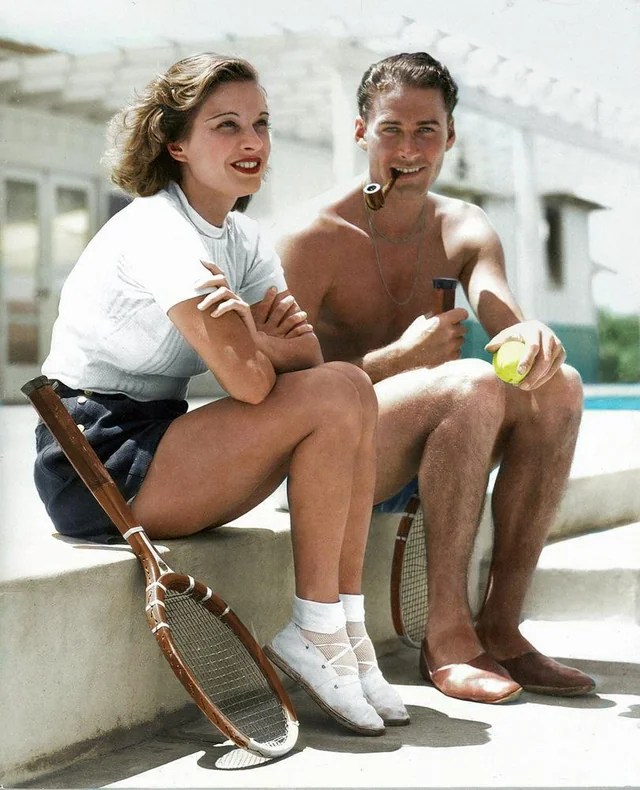
Errol and Lili during their tumultuous 7 year-long marriage.

Sean was the son of Australian actor Errol Flynn, but unlike his father, he was less of a hellraiser and more soft-spoken and introverted, yet had an obsession with danger and thrill-seeking just the same. He sought to establish himself as the polar opposite of his father, but in doing so, he lost his life.
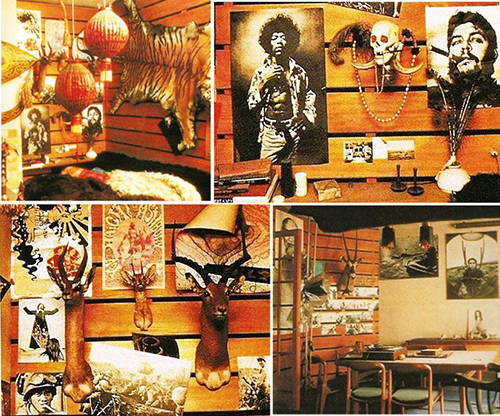
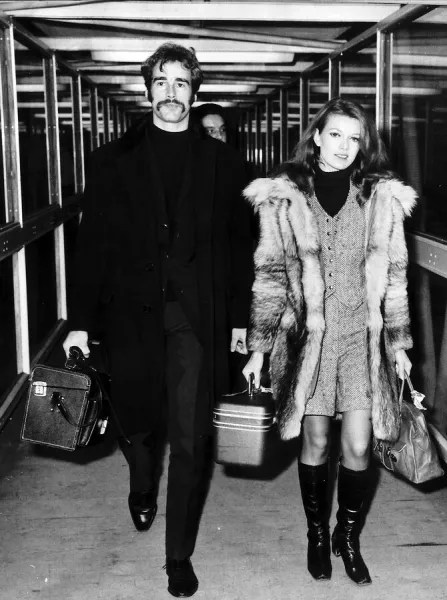
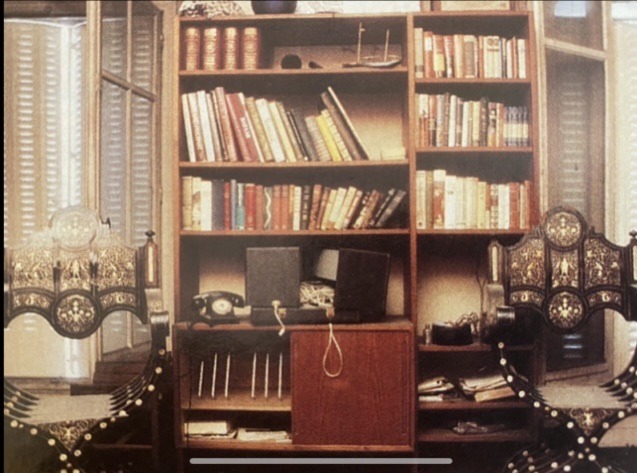
Sean’s Parisian apartment on the Champs Élysées was sealed by his mother to preserve his memory and remained a time capsule of the 60s until it was opened up after the death of Lili in 1994.

The walls were plastered with images of counterculture figures such as Jimi Hendrix, Che Guevara, and Ho Chi Minh, pictures of Sean travelling around the world as well as skydiving and hunting, copious amounts of taxidermy, a miniature of the Zaca (his father Errol Flynn’s yacht), expensive camera equipment, books, rolls of undeveloped film, psychedelic-patterned ties, unopened mail, and snappy clothing.
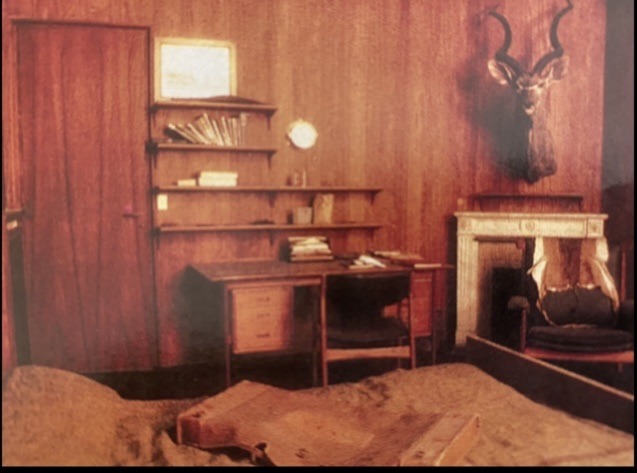
Sun Day magazine described the apartment as a “weird mixture of 60s flower power and very gruesome souvenirs” from his stint as a game hunter in Africa. It was if Sean Flynn and his larger-than-life personality were somehow speaking from beyond the grave.
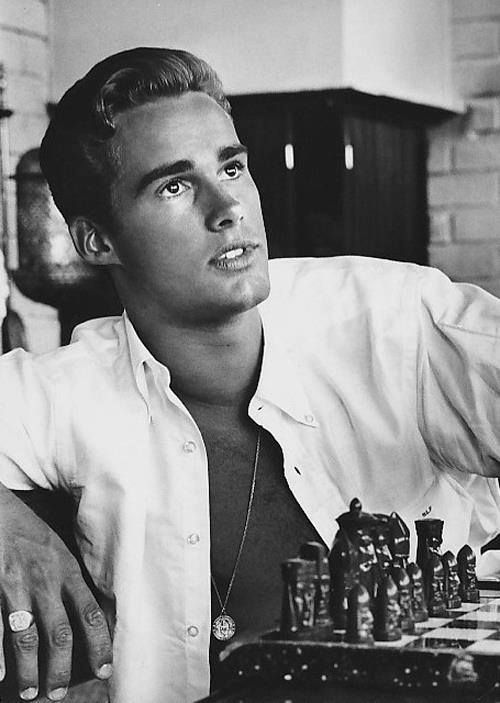
After moving to Europe to start an acting career and recording a music album, Sean grew bored and went to Vietnam in 1966 to risk his life by becoming a combat photojournalist. Not the usual path for a Hollywood nepo baby, but Sean was no ordinary person. In a February 21, 1969 interview with journalist Zalin Grant, he gained access to Sean’s conflicted psyche:
When I was fifteen I got sent to a prep school in New Jersey.  It depressed me.  I didn’t like the Brooks Brothers atmosphere… I didn’t want to go to an Ivy League school. Get a business degree, work on Wall Street, marry a socially acceptable girl. It just wasn’t there. The summer I got out of prep schoolthe producer who’d done the original version of “Captain Blood,” the film that made my father famous in 1935, gave me a call and said, “Look, how would like to do a real film? 

I’ve got this great idea—‘Son of Captain Blood.’So I dropped out and went to California, to get ready for the film.  I did a little fencing with stunt men, took voice lessons.  This went on for six months.  I enjoyed the work but I soon wanted to get out of California.  Perhaps I’m a conservative at heart, but I had to get out.  Out of that smog and away from those freeways. Everybody I met was extremely cynical and knew everything.  To them, screwing a girl had nothing to do with love.  Even liking a girl was a kind of therapy.  Life just didn’t have much meaning. 
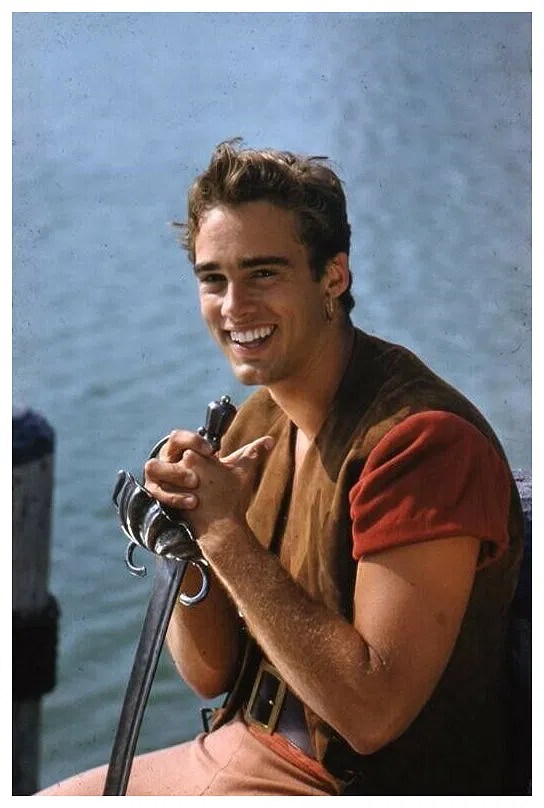
And I was trying to get away.  My mother is a very generous person with her attention.  I felt smothered, I guess, by her generosity. What can I say?  I was a bit like a hick coming to the big city.  I met quite a few young actors.  The scene gyrated between Palm Springs and Hollywood to Malibu.  I fooled around, but I wasn’t interested in it.  I’m not the gregarious type.  I don’t make friends easily. At nineteen, I felt very ill at ease and out of place.

Feeling directionless and lost in the shallow world of Hollywood, Sean left his privileged lifestyle in a doomed quest for truth as a war journalist. Sitting in his French apartment, Sean decided to call up Paris-Match magazine and was soon hired after the staff realized he was the son of Errol:

Sean’s Leica M2 camera, found at his lodgings after his disappearance.

I’d bought a Leica in Spain but I hadn’t done any work as a photographer… They were interested in Sean Flynn, son of Errol Flynn, at war. I caught a taxi at the Saigon airport and gave the address I’d got from the Paris-Match guy.  The driver takes a look at it and says, ‘You sure you want to go there?’ I said yes. So he takes me there.  I’ve got a couple of suitcases, an attaché case, a camera, and a tennis racket.  I get out the cab and turn around to see this gaping hole of a wrecked hotel.  This was early 1966 and the Viet Cong had blown it up a few weeks earlier. The American press office in Saigon didn’t want to accredit me.  They said the letter I had from Paris-Match wasn’t sufficient. I got a girl in France to send me some Paris-Match letterhead stationery, and I wrote my own letter, which was accepted.

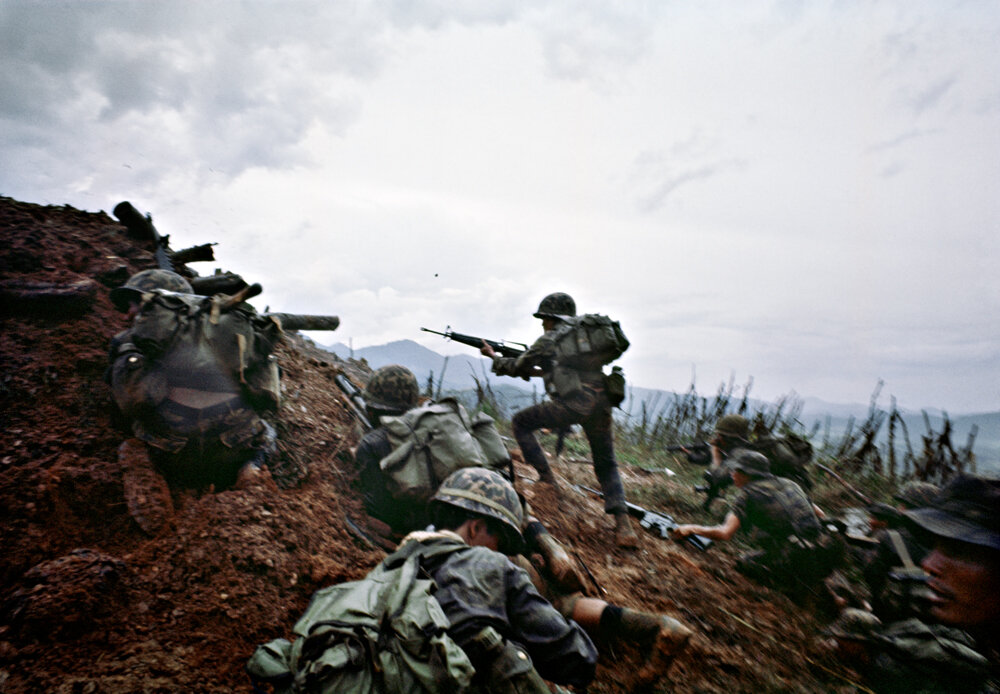
I heard there was going to be a big operation in the Central Highlands called “Masher-White Wing.”  I caught a flight to the press center the First Cavalry Division had set up in tents. I didn’t know fuck-all about what to do. Christ, we landed in one of the hottest actions of the war!  South Vietnamese troops were coming up with armored personnel carriers on one side.  The North Vietnamese were on the other side.  We were in the middle.  And they were shooting it out. All the photos I took were bad—underexposed. But I was glad to be in Vietnam. Maybe it was proving something, I don’t know.  A lot gets lost in perspective, a lot of old personal battles.  After you get the shit scared out of you a few times, it’s easy to look back and forget what was actually going on in your mind.  
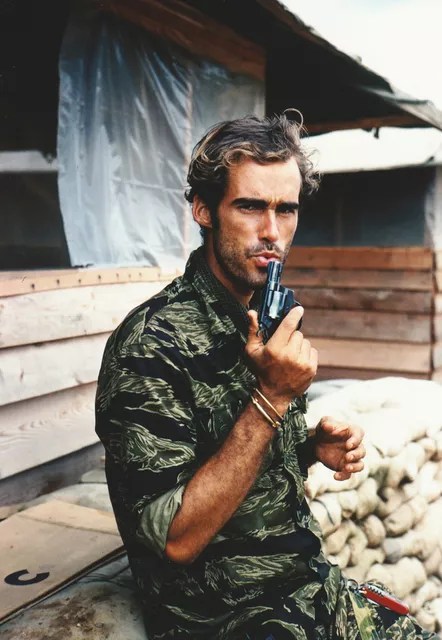
You see, the movies were obviously something I didn’t like.  I won’t say I wasn’t interested.  But I always felt—I don’t mind fighting my father.  But I realized I was fighting him on his own turf.  It came down to that.  I was in a false situation.  But I felt at home in Vietnam.  I found out right away that I liked the—it’s hard to say you like war.  But I liked the excitement.  I felt my strength would be my ability to function under fire, in this case to perform as a photographer.

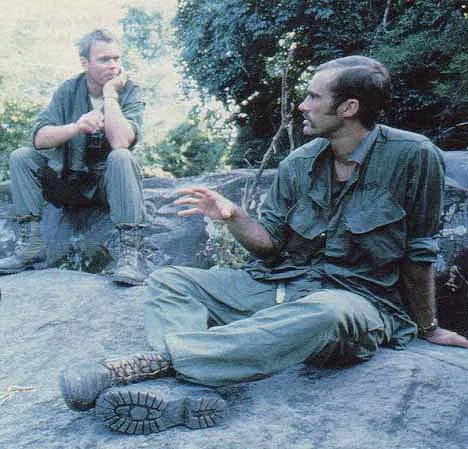
With fellow journalist Dana Stone.

His images were published around the world and he helped save an Australian platoon from being blown up by a mine, as well as numerous other brave acts, though he never bragged about it or sought special attention. But a resentment began brewing in Sean when he realized that the war in Vietnam was unjustified and that the U.S. Army was responsible for the deaths of thousands of innocent civilians:

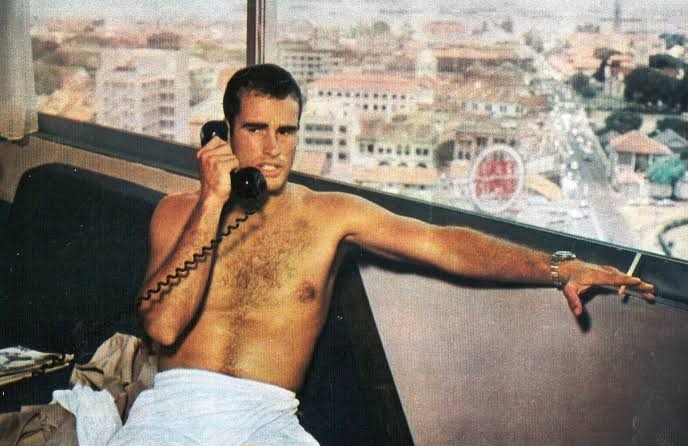
Sean Flynn at his Tu Do Flat, Saigon, 1968.
Photograph by Tim Page.

It became clear to me that the war was a mistake.  I went through several stages where I hated the whole thing.  Anything American I was really ashamed of.  As time went on, though, I realized that the soldiers in the field were some of the most interesting people I’d ever run into.  I was in a position to meet a large cross-section of America, my contemporaries whom I’d never been able to communicate with before.

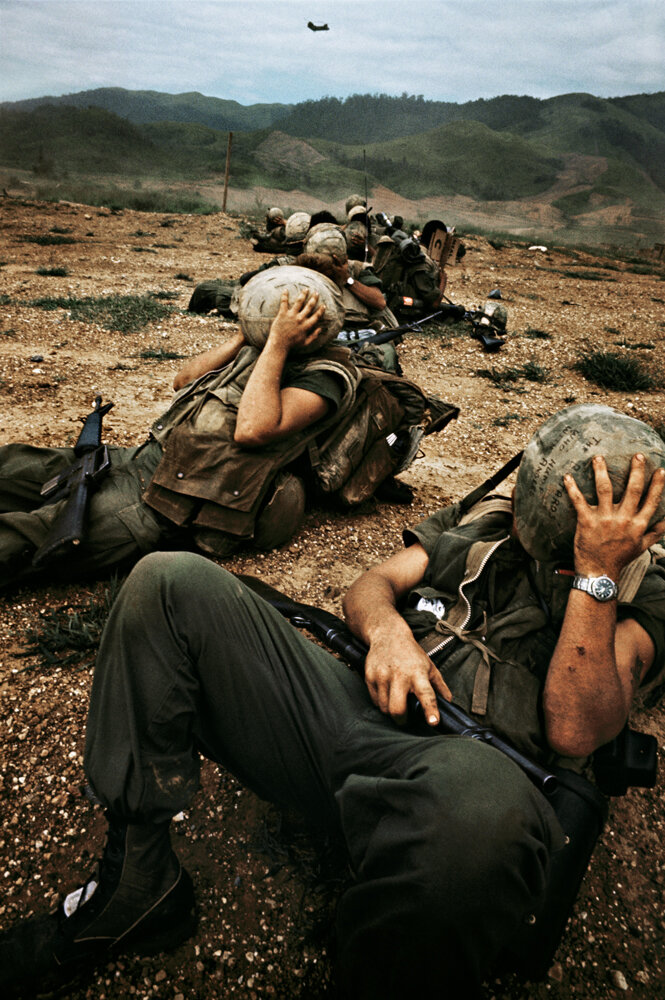
Sean’s war photography.

For his whole life, Sean was sheltered by a loving but overbearing mother and had immense financial and social privilege. Now, he risked his life daily by going out to photograph violent combat, which was slowly turning him into an adrenaline junkie. He hoped to one day make a documentary and write books on his time in Vietnam. In 1969, Sean took time off from photojournalism to travel around Southeast Asia, including Bali, Cambodia, and Laos:
 I’ve gotten on to this bike thing.  I want to drive around Asia on a motorcycle.  You are much more in contact with what’s going on. I want to go to Laos and buy a bike and drive around there, then Cambodia. I’ve gone through my crucible in the past six months.  I don’t know what triggered it.  Angkor Wat was very important.  I got involved with the camera and a little bit of acid.  I saw things in a completely different light.  Drugs were a part of my education.  But I can’t go along with taking them. You’ve got to go beyond that. I’ve decided that for the rest of my life I’m going to play the game my way.  The game in the Buddhist sense—the Divine Joke of it all.”
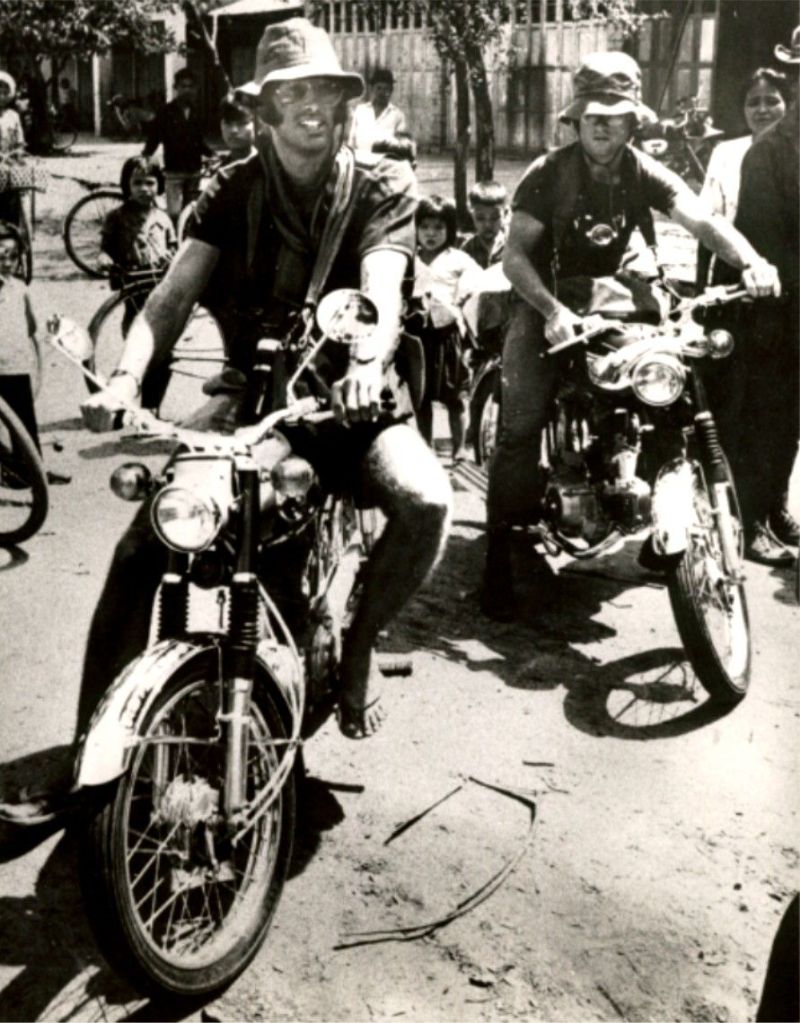
The last photo of Sean and Dana , taken just before their disappearance at the Highway 1 checkpoint.

Following his profound spiritual side quest, Sean decided to go back to war photography in 1970, after Cambodia faced a violent crisis under the Khmer Rouge. Sean’s bravery would cost him dearly when he and fellow journalist Dana Stone disappeared on April 6, 1970 after being kidnapped at a military checkpoint near Phnom Penh, Cambodia. They were most likely held captive for years, and then executed by the Rouge in 1973 near Kratie City, in the north by the Mekong River. Their bodies were never found, and it boggles the mind to think of the horrors the two witnessed before their grim deaths.
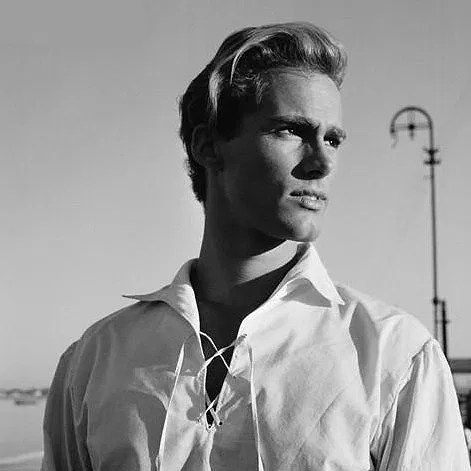
His heartbroken mother Lili Damita spent millions of dollars and the rest of her life desperately searching for her son, but it was of no use. Sean’s tragic fate remains a hazy mystery to this day, but his legacy lives on. Sean Flynn was many things: a B-movie star, nepo baby, crooner, a beach bum in Bali and California, prep school kid, game hunter, fencer, biker, avid traveler, college dropout, and war hero; but most of all, he was a valiant and daring photojournalist who gave his life for the ultimate scoop.

I wonder what ever happened to all of the fascinating retro memorabilia in Sean’s Paris apartment…

All of the quoted text in this article is from journalist Zalin Grant’s incredible feature “The Sean Flynn I Knew.” Without this interview, we would never have had such a deep insight into Sean’s fleeting but important life. I highly recommend his website to anyone interested in getting a first person perspective of the Vietnam War.

The Wild Life and Sad End of Arnella Flynn

Arnella Roma Flynn was the free-spirited youngest daughter of Errol Flynn, consummate Hollywood star and libertine of the 1930s. She inherited her father’s glamorous good looks, and his penchant for alcohol, drugs and partying. This led to an early demise for the both of them.

When Arnella was born on Christmas in 1953, her father was already 44 years old and had a grand total of 4 children by 3 different women. His crazy lifestyle had started to take a toll on his health, but he refused to yield to old age. He was nicknamed the Tasmanian Devil for good reason: after he was barred from drinking on set, he injected vodka into oranges and consumed them during filming. He was incorrigible, and also known as a sexual pervert and opium addict to top it all off.

Arnella’s mother was the reserved and picture-perfect Patrice Wymore, an American actress almost 20 years Errol’s junior. She cut her career short in 1953 when Arnella was born, to care for her new baby- and her alcoholically destroyed husband.

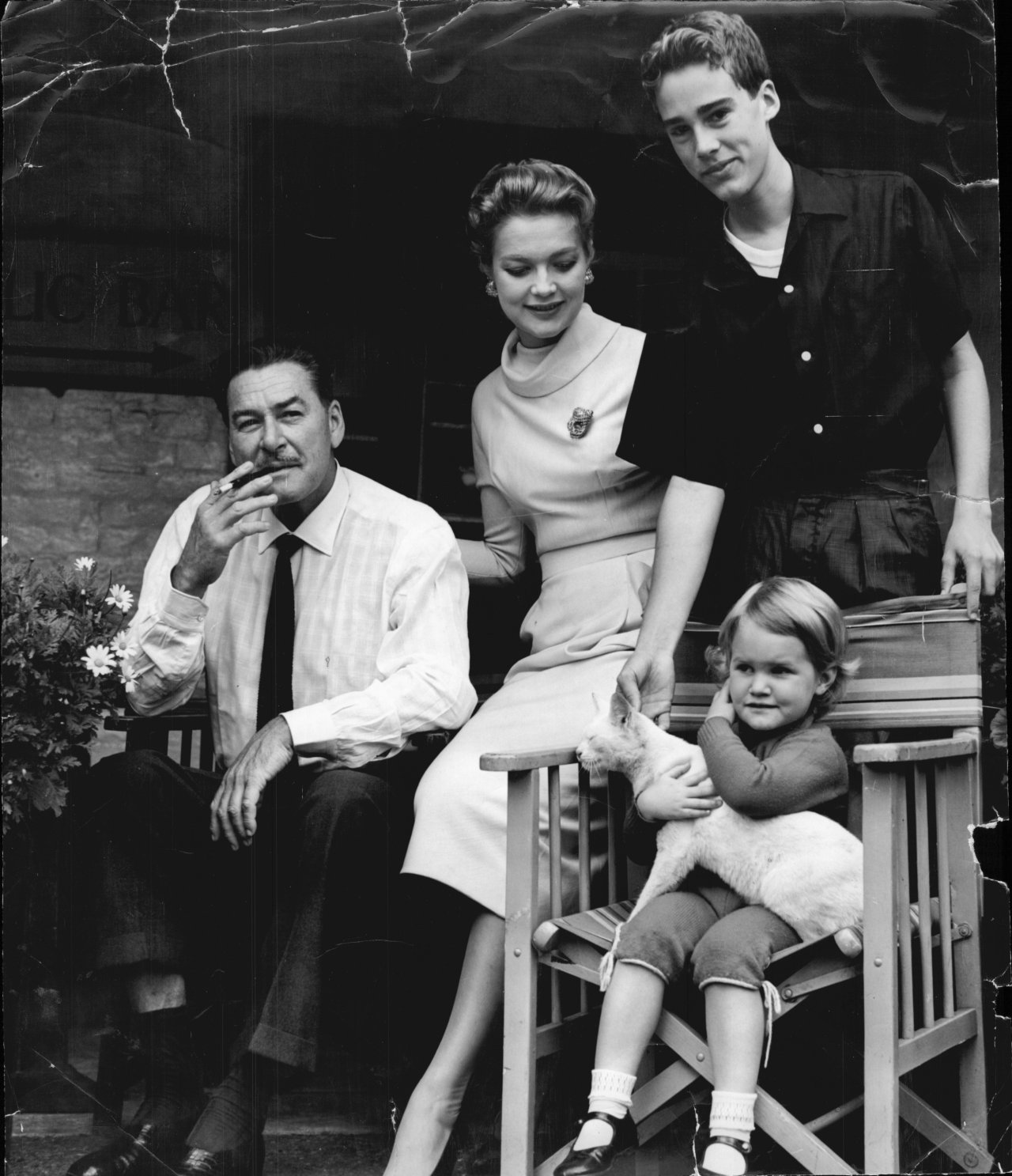
Errol, Patrice, Sean and Arnella

Errol was content with his new wife at first. He described Patrice as:

“attractive, warm and wholesome… She could cook Indian curry, she could dance, she could sing, she was reserved, she had beauty, dignity… homebody qualities that go toward making a sensible and lasting marriage. She typified everything that I was not. Nobody ever tried harder than Pat to make me happy.”

Apparently, he had to break off an engagement to a Romanian princess in order to marry Patrice. Errol had his housekeeper inform the princess via phone call.

The marital bliss would not last, due to Errol’s roving lecherous eye. When Arnella was just a few years old, her father left the family for his 15-year old girlfriend Beverly Aadland. Patrice and Errol separated, but never officially divorced. He died of heart failure in 1959, when Arnella was 6. Errol’s chaotic, drug-and-alcohol-infused, womanizing life was cut short prematurely.

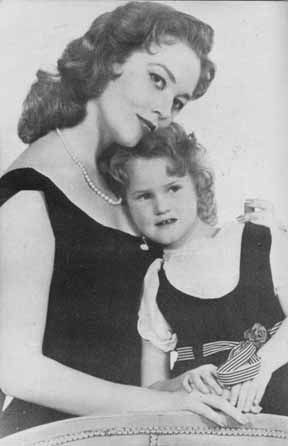
Mother and daughter

With such an absent and infamous father, Arnella never stood a chance. Her attorney claimed that:

“One of the problems Arnella had growing up was that everyone around her knew her father, but she didn’t. She had a lot of problems to cope with growing up. And having this famous father you don’t even know hanging over you is not easy.”

The extended Flynn family was no stranger to tragedy either. Her older stepbrother Sean mysteriously disappeared in Cambodia in 1970, while covering the Vietnam War as a journalist. He was never heard from again. Arnella was said to have always spoken of him fondly and missed him very much.

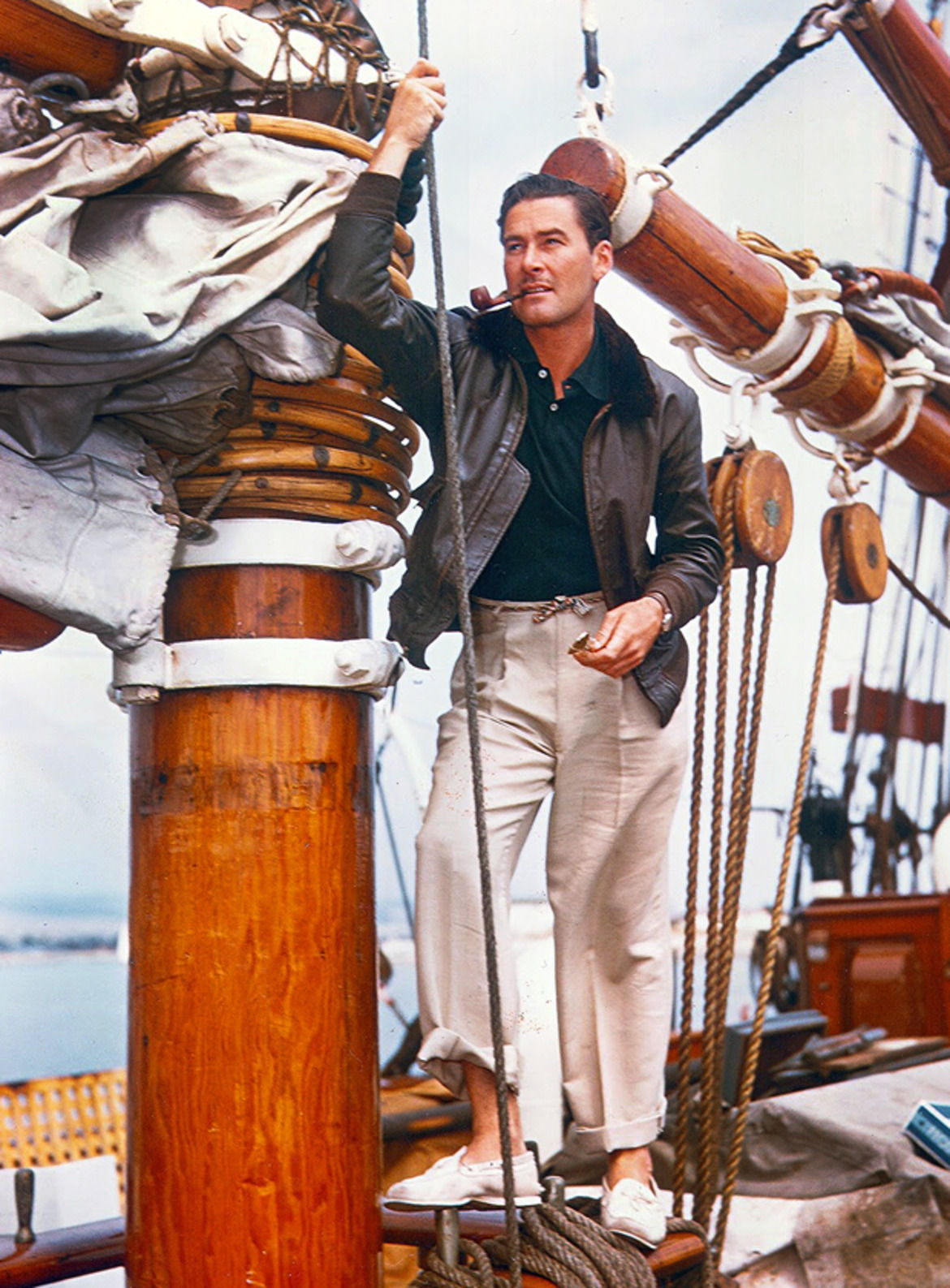
In 1942, Errol went sailing on his beloved luxury yacht, the Zaca. During a storm, he washed ashore on Port Antonio, Jamaica. He fell in love with the island nation immediately, calling the landscape “more beautiful than any woman I have ever known. When God created Eden, this is what He was aiming at.” He bought Navy Island, a hotel resort, and a 2,000 acre plantation where he grew coconuts and raised cattle.

Errol on the Zaca

When Errol died, the savvy Patrice struggled to take control of his paradisaical Jamaican estates. She wanted to remove her daughter from the chaotic world of L.A. paparazzi and media hounds and give her a “more enduringly satisfactory way of life.”

Patrice was also worried about Arnella’s love of partying and hard living, which must have set off alarm bells that recalled her late husband. She said of her daughter: “I had to get her away from Sunset Strip and all its temptations. She was in danger of becoming a flower child.” Her hippie days in L.A. came to an end.

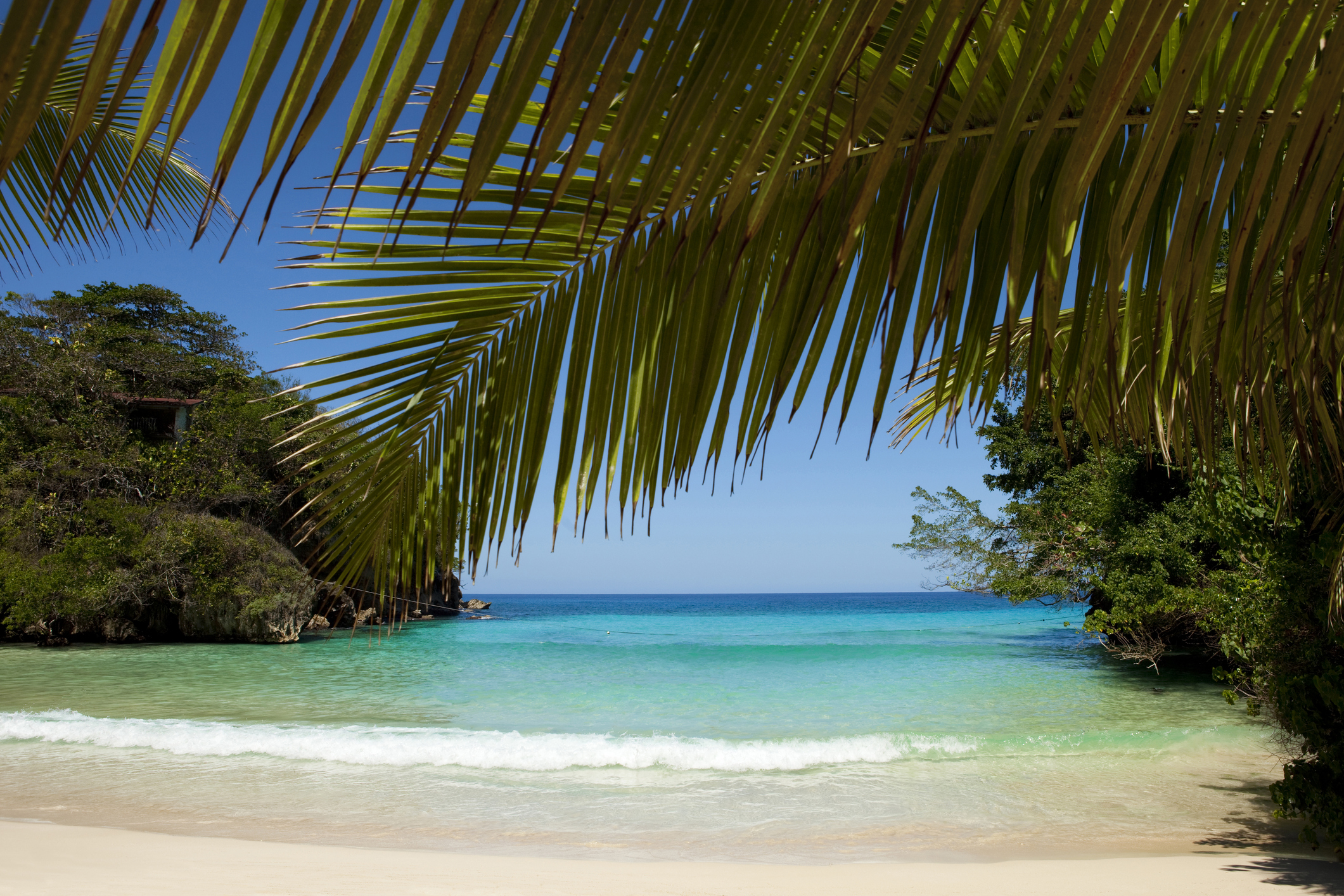
At the age of 13, Arnella went to live on the placid, tropical, crystal-blue shores of Jamaica. Her mother was an intelligent businesswoman who opened up her own boutiques and gift shops, and managed the hotel and farmed the plantation at considerable profit margins. Their life in Jamaica was, quite surprisingly, simple and free of modern degeneracy: Patrice refused to own a telephone or TV until the 1980s.

Gorgeous Port Antonio

None of this placidity could subdue the energetic teenage Arnella, who had a penchant for chugging Jamaican white rum down raw, and smoking the marijuana that grew plentifully along the islands. She also enjoyed athletic activities like water skiing, boating, collecting seashells and swimming.

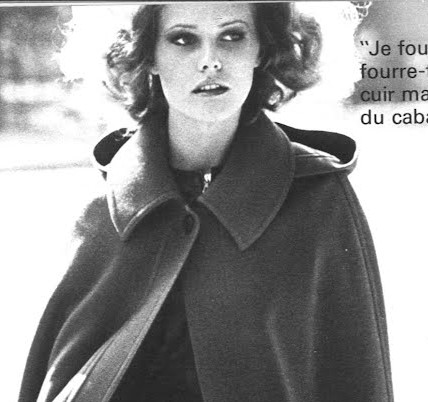
When she was 18, Arnella went to London and New York to become a model. She was blonde, thin, beautiful and looked the part, and it was easy to nab contracts through Flynn family connections. She grew close to her stepsister Rory, who was also a model. She married a photographer named Carl Stoecker, and in 1976, they had a son named Luke who, you guessed it, went on to become a model.

The marriage dissipated, and Arnella grew disillusioned with the hustle-bustle of the big city. It was time to return to Jamaica, and to live in tropical peace. Or was it?

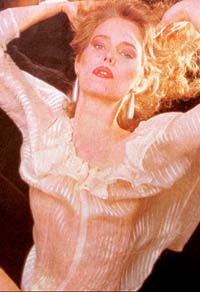
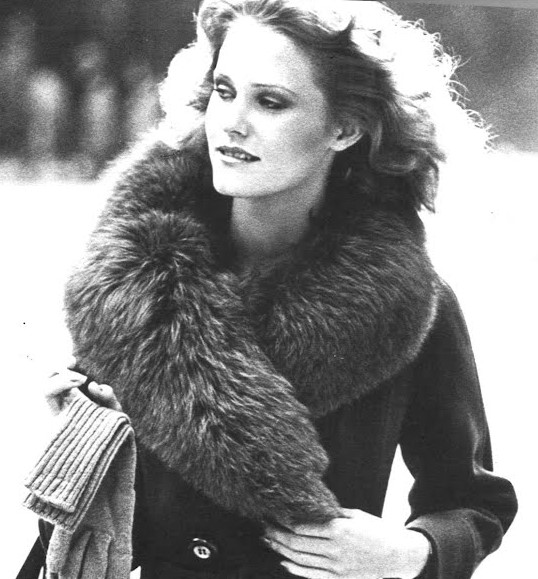
Arnella in Vogue Paris, 1974

Upon her return, Arnella partied like her life depended on it. Along with rum and weed, she took on cocaine, which she soon became uncontrollably addicted to. Her friend circle consisted of laid back Rastafarians, who were content to party with her, but advised her to lay off the white powder.

Her friend Anthon recalled her fondly:

“She was one of us, man. She preferred to spend her time here than with the others. She was cool like that. She was one of the best people. She was flexible. When she was with us, she talked like a Jamaican, but when she was with the others she talked like an American. She wasn’t stuck up; she wasn’t all high and mighty. She loved the Rasta. She loved the long hair. She had several Rasta boyfriends. That was her thing. 

But she was our friend too. We tried to stop her from doing the coke, but you can’t stop doing that stuff until you die. I shared smoke with her, but none of the coke. That stuff messes with your head.”

Arnella became an aimless beach bum, with no concern for commerce or career. Her mother was ashamed, and wanted her to get a grip on her life and raise her son Luke, which she had been relegated to doing since Arnella was unfit herself.

But the demons that were plaguing her would not let go. She would destroy herself just as her father had. Islanders watched sadly as Arnella stumbled around drunk and high, night and day, with no apparent concern for her own well being. Ironically, even Errol diluted liquor, whereas Arnella would just drink it down straight.

Patrice stopped giving Arnella financial allowances, as she squandered all the money away on cocaine. She was banished from the main property to a smaller plot on the island. Arnella began growing carrots and tomatoes, which she sold to tourists for drug money. When that floundered, she stole coconuts from her mother’s plantation to fund her addiction. The girl who was raised as Hollywood royalty was now relegated to petty thievery.

By 1998, only 3 years after she officially moved back to Jamaica, Arnella was washed up and near death. An islander named Doris Brady mourned how “she used to be such a pretty girl, but at the end she was just a bag of bones. She looked like an old woman, older than her mum.” Errol suffered from the same issue: by the end of his life, his addictions had left him looking horribly aged and like a mere shadow of his former self.

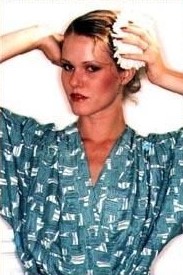
Arnella on the cover of Oui magazine, 1982

Patrice tried using “tough love” tactics on her daughter, but it was to no avail. Arnella’s Rastafarian boyfriend Willard Hearne was concerned about her, but nobody could help. He called Arnella:

“a very sweet girl, but she had a lot of problems. It is a shame she and her mother couldn’t get along. Just days before she died, Arnella got a letter from her mother’s attorney telling her she had to leave the estate, she was being kicked out. She told me she was sad because she had nowhere to go. Then three days later she was dead. I’ll miss her.”

Arnella was discovered dead in her bed by horrified plantation workers on Sept. 21, 1998. She was only 44. Her body was completely emaciated. The remains were flown back to L.A., to be buried next to her father at Hollywood Hills cemetery. Arnella and Errol now rest in peace together under the sun.

After his death, Errol’s teenage girlfriend Beverly claimed that he hated California, and had always wanted to be buried in the lush Jamaican tropics. Arnella seemed to have had the same love affair with Jamaica as well.

Said Errol in his autobiography: “My dream of happiness — a quiet spot by the Jamaican seashore, looking out over the ocean, hearing the wind sob with the beauty and tragedy of everything…”

Though they had not spent much time together in life, Arnella and her father were connected by obscure threads of fate. Many say that addiction is passed along genetically. This was never more true and tragic than in this case. Despite having it all, this father and daughter gave up and sedated themselves to death.